1. Compare the Spring Builds
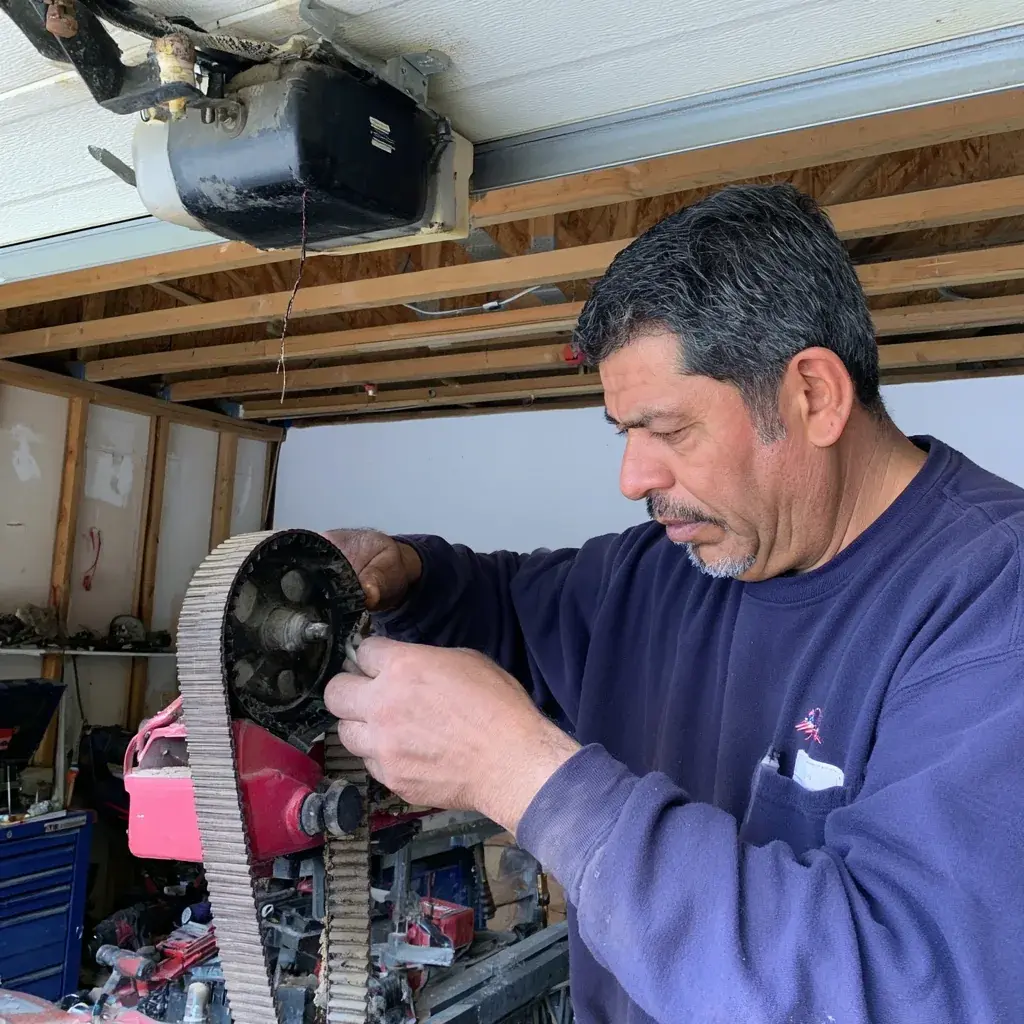
1. Start with the rating, then compare the spring build. The spring system works with the opener each time the door moves. The higher rating comes from a design intended to handle more repeated movement. Wire gauge, coil diameter, length, and spring arrangement can differ. Those dimensions affect lift, so a higher number alone does not prove a spring fits. The sections below move from construction to household use, then quote checks and safe stopping points.
A 25,000-cycle spring carries a higher rated-use allowance than a 10,000-cycle spring. The gap between those ratings matters in relation to how often the door moves, not a guaranteed calendar lifespan. In Blue Springs, a homeowner can track ordinary door use, then divide each rating by that daily pattern to estimate days of rated service. A small commercial property can make the same comparison using its own opening log. Central Park, Pink Hill Park, and Railroad Lake are local reference points; actual door use sets the estimate.
2. Track Daily Door Trips
3. Record normal use before estimating spring life. Changes in door balance can place different demands on the spring system. A household near Central Park might track departures, returns, and other ordinary entries for several days. A small commercial property may have more frequent door activity, so its record should reflect its own routine. Do not guess from a busy day or a quiet day. Use a representative daily average, then compare that same use against both ratings.
4. Turn the daily average into a calendar estimate. Divide each rating by the average cycles used per day, then convert the result from days into years. The 25,000-cycle estimate will be longer than the 10,000-cycle estimate at the same daily use. It is a planning calculation, not a promised spring life. Wear, door balance, and other hardware can change what happens in practice. Keep the two estimates side by side to see how much the design difference matters for this routine.
3. Hold Quote Details Constant
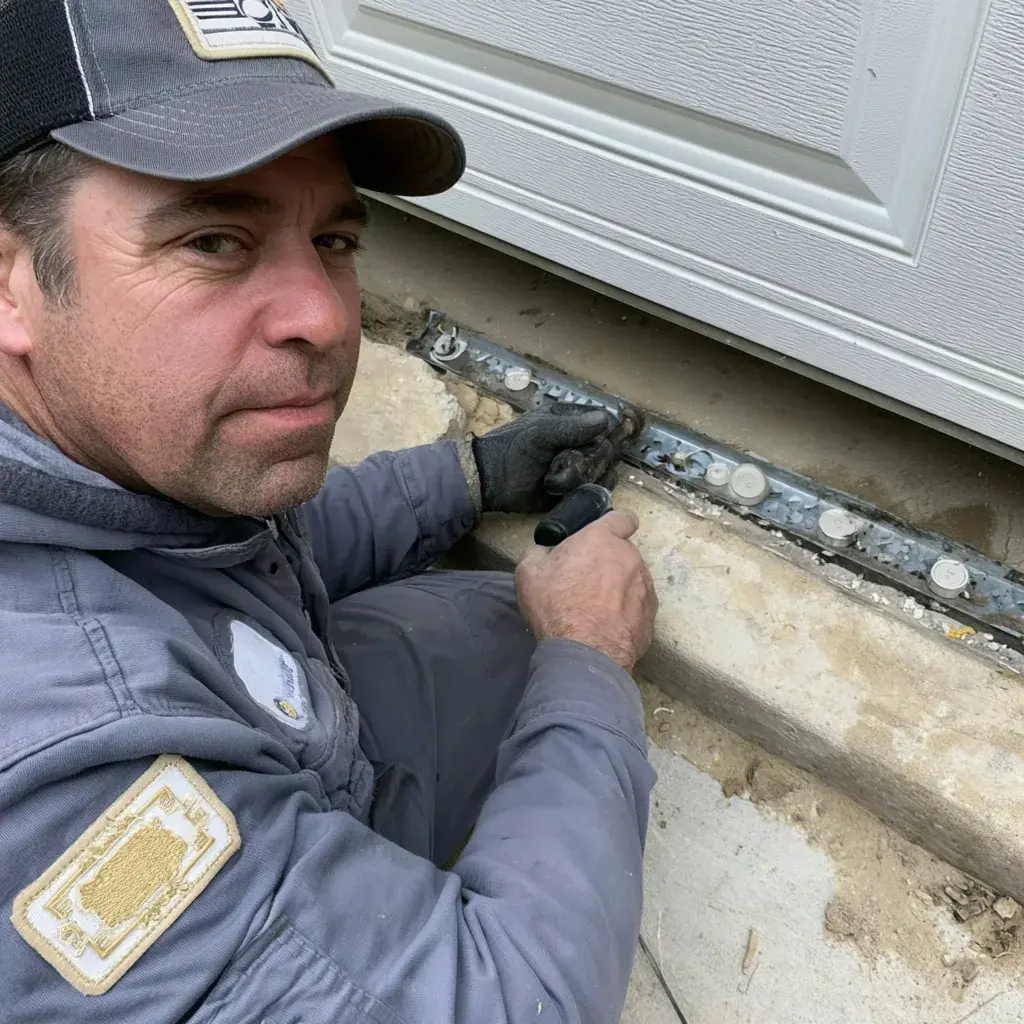
5. Make the quote comparison like for like. Ask the pros we connect you with to list the cycle rating, spring type, and dimensions for each option. Ask whether the estimate includes removing the old springs and adjusting the door afterward. A higher rating can involve a different build, so compare the parts specified rather than treating the rating as the only change. In Blue Springs, a clear written list helps a homeowner see which differences explain the upgrade cost.
6. Confirm the proposed spring matches the door. Ask whether any difference reflects the door’s current spring arrangement or a proposed change to it. A homeowner can compare those written details across quotes, but should not measure a loaded spring or handle its hardware. If the specifications differ, ask why each set fits the door before comparing totals. The rating describes repeated operation; it does not replace correct sizing. This check matters whether the door serves a home or a small commercial property.
Compare Cycle Ratings in Quotes
First, note the rating shown on existing paperwork or a prior quote; a spring’s appearance cannot confirm its cycle rating. Next, write down the quoted rating and whether it covers a matched pair, so the options use the same basis. Then compare each figure against the door’s recorded daily use and request a like-for-like quote from the pros we connect you with. If the door becomes crooked or the opener strains, stop operating it. Do not adjust spring tension; loaded torsion hardware can cause fatal injury.
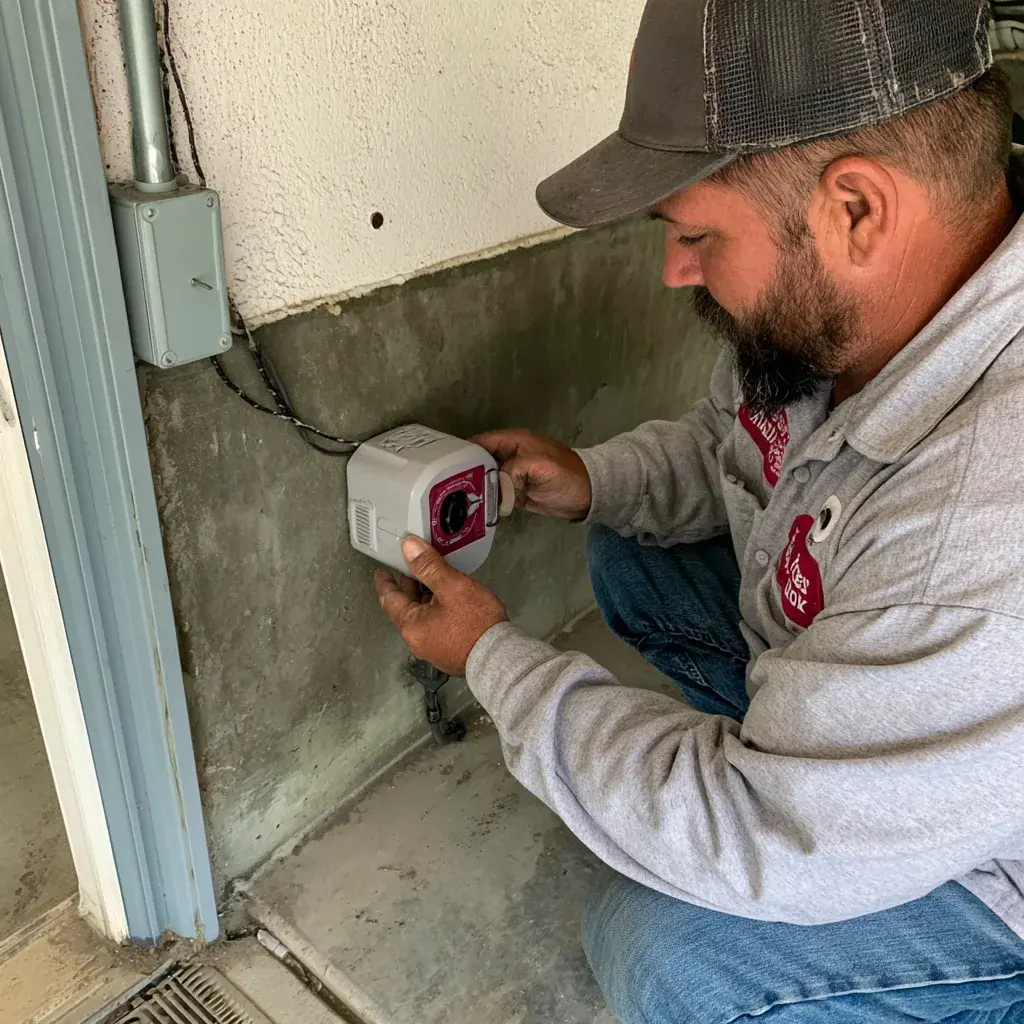
8. Prepare the comparison without handling parts. Write down the household’s typical daily trips and the rating on each quote. Note any listed spring dimensions and whether the option includes a matched pair. Then ask what differs in the spring build and how the daily-use estimate was calculated. In Blue Springs, the same checklist can help a homeowner keep quotes focused on equivalent work. The question left to resolve is whether both options are sized for this door and routine.
Dealing with this in your home?
A Blue Springs service request starts with the street address, since a landmark alone cannot confirm coverage. Call +18163670278 and ask the pros we connect you with whether they can take that address, when they are available, and what timing they expect. Confirm any visit charge before setting an appointment, and ask what inspection is included. Heisler Park can help identify the local area; Independence Square or Downtown Lee's Summit may give wider regional context. Those references do not establish coverage. The exact address lets the provider answer that question and explain the next step for the property.