Read Workload Across Commercial Doors
In Blue Springs, landmarks such as Pink Hill Park, Gregory O. Grounds Park, and Remembrance Lake give local bearings, not spring service intervals. Commercial springs carry different demands from door to door. A loading entrance may work through shifts, while another opening sees little activity. That workload affects how soon wear may appear. A schedule should account for observed use and inspection findings, rather than assume every door needs attention on the same date.
Start with a separate daily count for each Blue Springs door. Use a cycle counter if one is available, or have staff record completed operating sequences during representative shifts. Include busy periods and quieter days so one unusual shift does not set the pattern. Compare the count with the spring’s rating when that information is known. If the rating or usage history is missing, an assessment can help establish a reasonable starting interval.
Set Inspection Dates From Use
A calendar reminder alone cannot show how much work a spring has done in Blue Springs. Cycle ratings describe capacity, while elapsed time only shows how long the spring has been in service. A high traffic door can approach its rated use sooner than a door that sits idle. Set the next inspection with the known rating, observed activity, and previous findings in view. Review the interval when any of those details change.
Residential doors often follow household routines; commercial openings may serve several shifts in Blue Springs. That difference can concentrate activity into a short operating window. A facility owner can compare doors by role, then arrange assessment dates around periods when each opening can be unavailable. This makes downtime easier to plan. It also helps keep a quiet storage opening from dictating the schedule for a busy loading entrance.
What Planned Service Can Observe
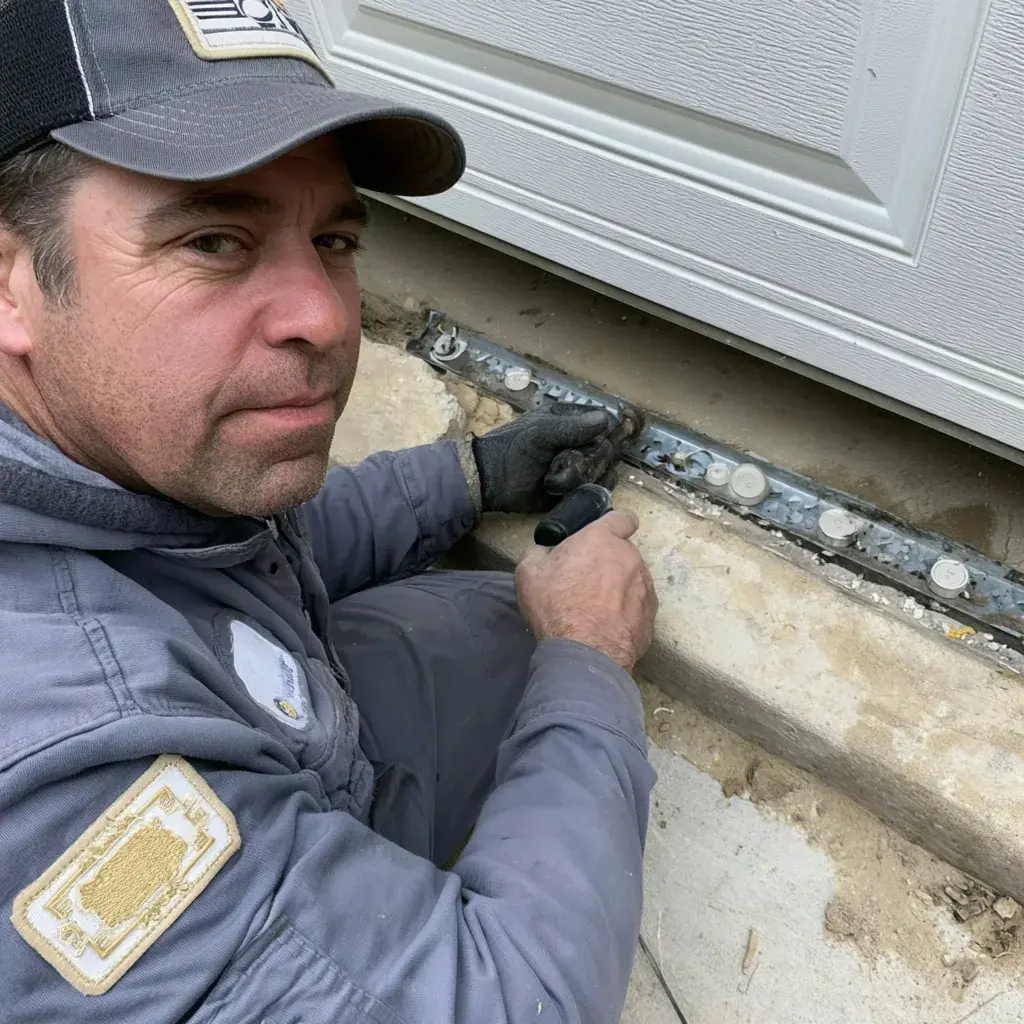
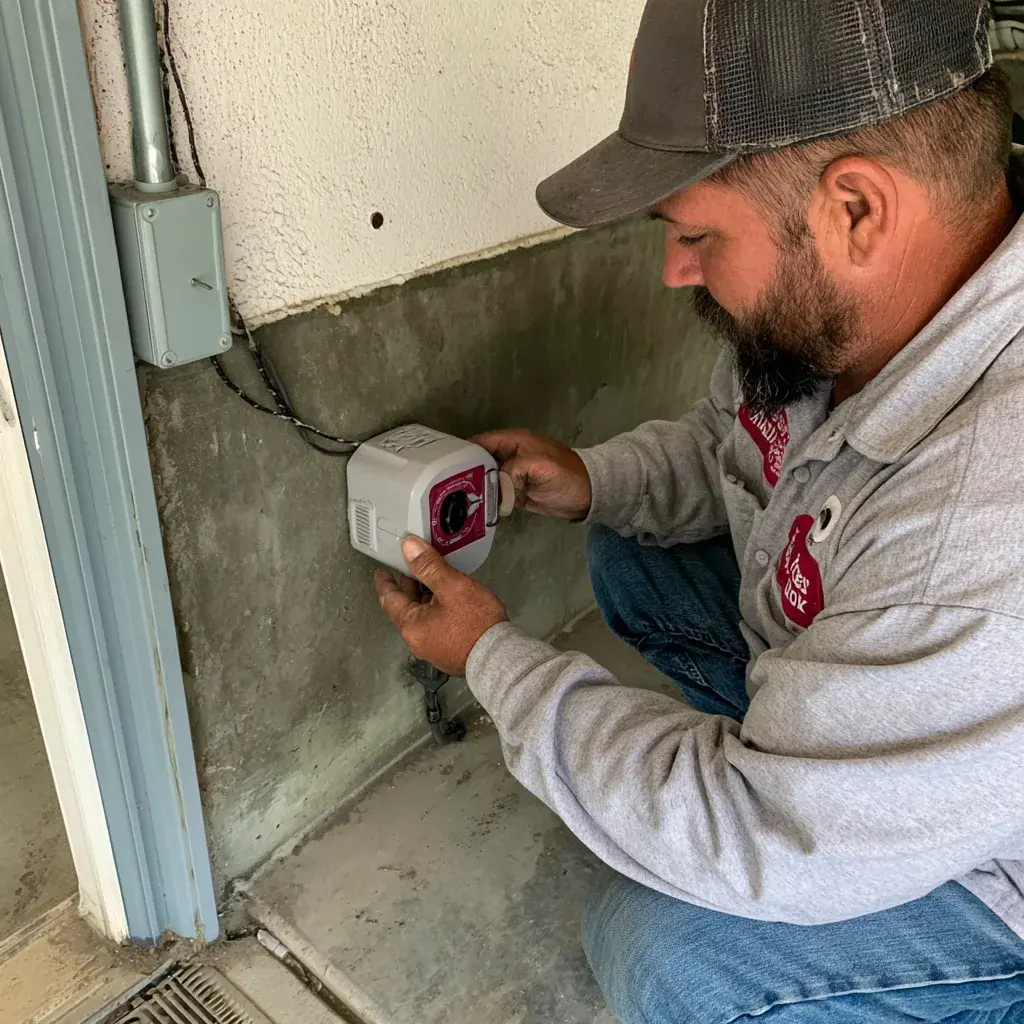
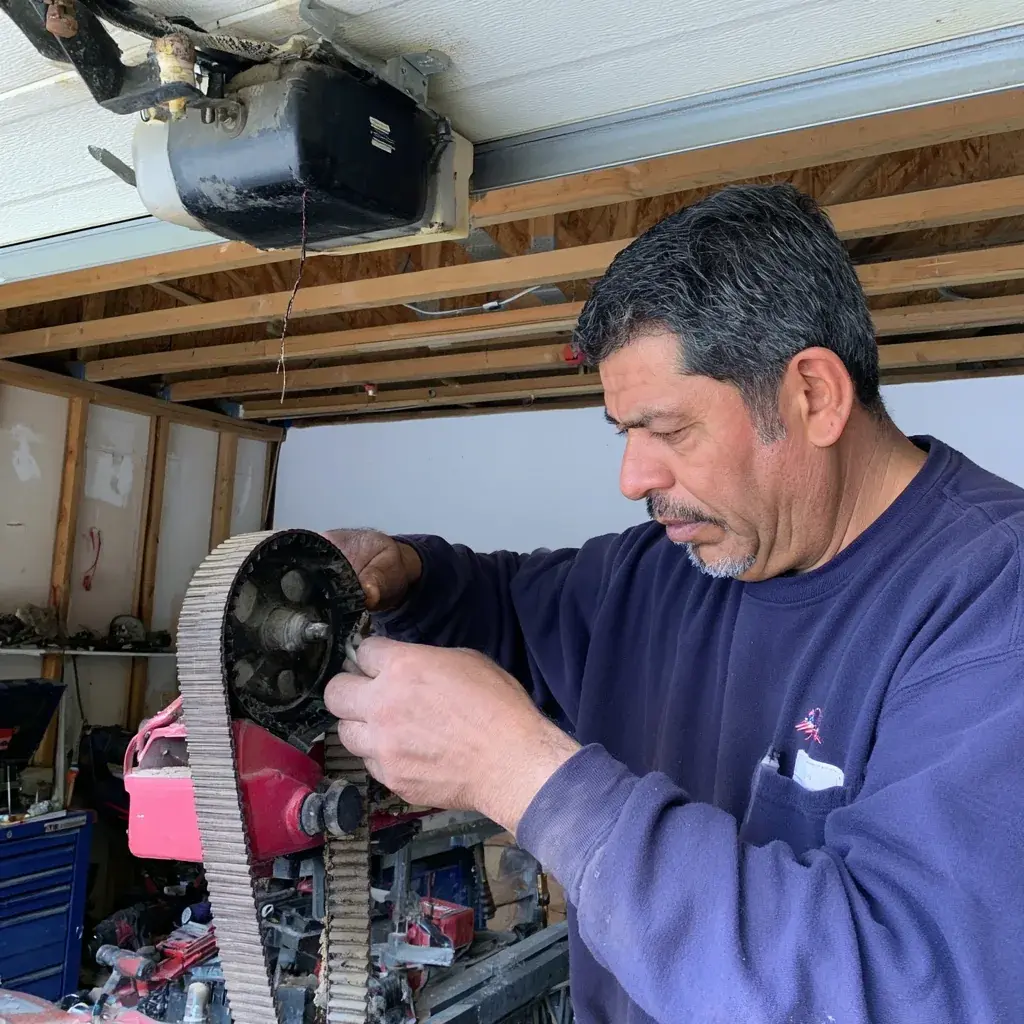
During planned service at a Blue Springs property, the inspection can look for visible spring wear and signs of strain elsewhere. Loose mounting hardware can shift the spring assembly and affect how the door moves. Rollers, hinges, and bearings can also bind as the door travels. Binding adds demand to the spring. A technician’s findings help the owner judge whether the current inspection interval still fits the door’s condition.
Keep an inspection log for each Blue Springs opening. Note the date, cycle estimate, spring rating if known, observed condition, and any service completed. Record which door was assessed so findings do not blur across a property. The log gives the next assessor a useful history. It can also help an owner choose a quieter time for planned service and reduce disruption to building operations.
When Door Changes Need Attention
A new operating change in Blue Springs calls for attention before the next calendar date. Watch for a door that hangs unevenly, stops before its usual position, or makes a sudden loud sound. The door may feel heavier to lift by hand when spring support has weakened. Stop using a door with these signs and arrange a professional assessment. The routine inspection schedule no longer answers the immediate question.
For a Blue Springs door that still moves normally, keep counting its daily cycles and use the log to set a provisional check date. Observe movement from a safe distance; do not handle springs or loaded hardware. If the door’s behavior changes, stop operation and contact the pros we connect you with for an assessment. Winding or adjusting spring tension is work for a professional.
Dealing with this in your home?
A Blue Springs service request starts with the street address, since a landmark alone cannot confirm coverage. Call +18163670278 and ask the pros we connect you with whether they can take that address, when they are available, and what timing they expect. Confirm any visit charge before setting an appointment, and ask what inspection is included. Heisler Park can help identify the local area; Independence Square or Downtown Lee's Summit may give wider regional context. Those references do not establish coverage. The exact address lets the provider answer that question and explain the next step for the property.