Loading Bay Door Springs
Blue Springs Dock Doors
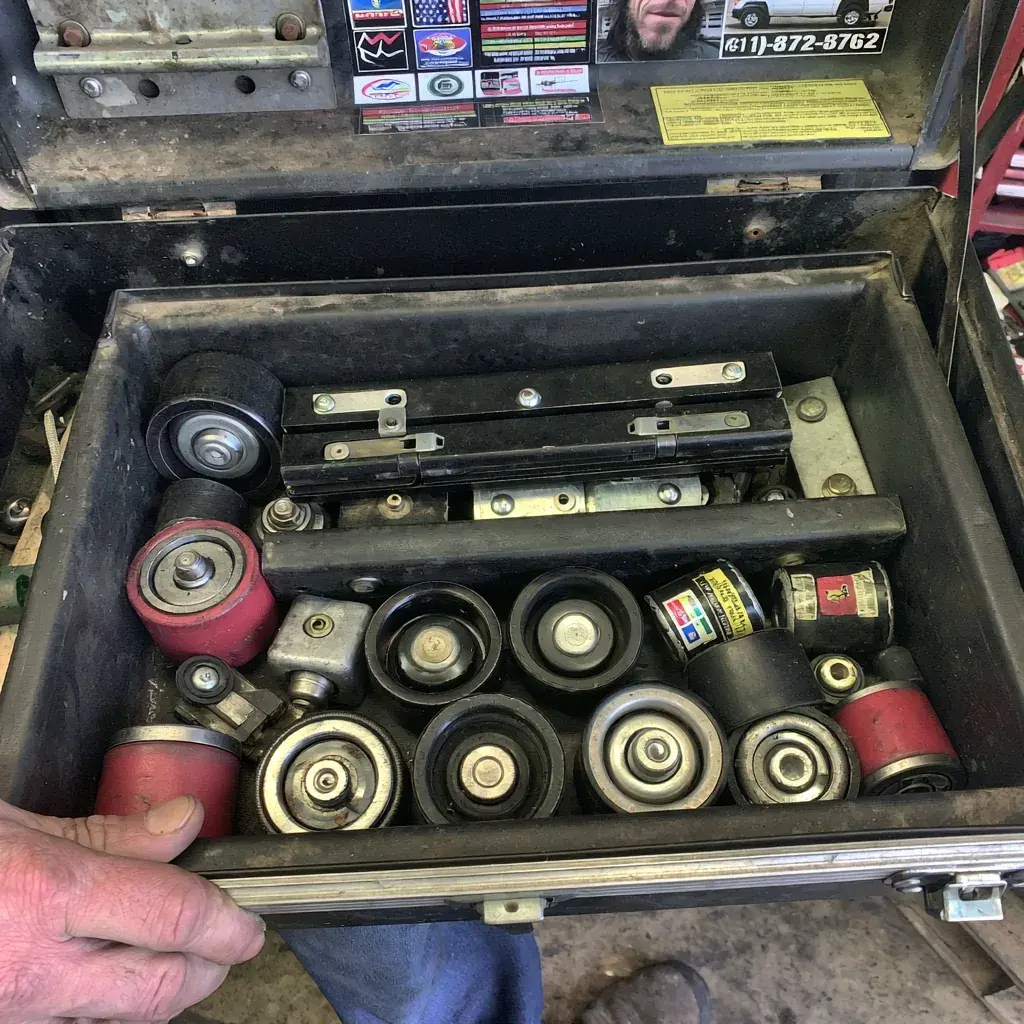
Plan commercial spring inspections in Blue Springs around door use, observed wear, and clear inspection records.
A planned commercial spring program can set inspection timing around door use, review springs and connected lifting hardware, and record condition and follow-up. A repair call addresses a reported fault; recurring checks and a history of changes are not automatic.
For a Blue Springs facility, planned spring service shifts attention from a failed opening to the condition of working doors. A manager and the pros we connect you with can set inspection intervals from recorded use and the spring’s duty cycle. One cycle is a full opening and closing. Its rating describes cycles, not calendar age. Preventive maintenance can bring a developing concern into view while the door still operates. A one-off commercial spring repair starts after a fault appears and focuses on restoring that opening.
A service visit can leave a useful record as well as an assessment. The inspection log can identify the door, note its spring condition, and capture cycle information when available. That gives facilities staff a basis for comparing later observations. Planned service can also identify related wear for review. A call-out generally addresses the reported problem in front of the technician. It does not, by itself, establish a recurring inspection interval or build a history of doors that have not failed.
The scope of a plan depends on the doors included and the work agreed with the provider. For a Blue Springs site, a discussion can cover spring observations, cycle records, and nearby hardware checks. It can also clarify what findings will be written down and which items may need separate attention. No fixed contract terms follow from the phrase planned service. Ask the pros we connect you with what their inspection process includes, and how it differs from a repair visit prompted by a breakdown.
Inspection timing should reflect how each opening is used. A door that runs repeatedly through a shift consumes its rated cycles sooner than one used occasionally. The manager can compare operating patterns with any cycle-counter readings and the spring’s stated rating. A local pro can then discuss an interval suited to those conditions. Blue Springs operations with different door roles may need different schedules. A single calendar interval for every opening can miss the demands of the busiest door.
An interval needs review when the job of a door changes. A receiving entrance may take on more deliveries, or a service bay may become less active. Either change affects how quickly cycles accumulate. Record the new pattern and bring it to the next planning discussion. For a Blue Springs facility, ask whether the proposed inspection frequency still fits the door’s current duty cycle. The schedule is a working guide based on use and observations, not a guarantee that a spring will not fail.
| Service item | Planned visit | Repair call |
|---|---|---|
| Review basis | Door duty cycle and usage history | Reported fault prompts a visit |
| Log detail | Door ID, date, readings, actions | Diagnosis and completed repair |
| Service trigger | Interval follows recorded door use | Door stops or operates poorly |
| Spring review | Wear trend and balance observations | Failed spring receives attention |
| Connected parts | Cables, drums, bearings, mounting points | Parts related to reported fault |
| Travel record | Movement, drag, and balance changes | Reported operating symptom |
| Site details | Blue Springs address; nearby landmark | Access details gathered for visit |
| Follow-up basis | Earlier readings inform next review | Record closes around this repair |
An inspection log turns a visit into a reference for the next one. Useful entries can state which opening was checked, when it was observed, and what the spring looked like. Cycle readings may be added when the site has them. The note can also identify visible wear or an operating concern reported by staff. In Blue Springs, facilities staff can keep those records with the door’s maintenance history. A later reader then has context beyond a verbal update or a repair invoice.
Changes between entries can help staff decide what deserves follow-up. A new mark of wear, a changed lift pattern, or a fresh hardware concern can be compared with the prior note. The log should distinguish what the inspector observed from what they recommend considering. That separation helps a manager review the finding without treating a possible repair as completed work. Ask the pros we connect you with how they document uncertain or developing conditions during planned service.
A planned inspection can include the spring system and nearby parts that affect door travel. The record may describe lift cables, shaft drums, rollers, hinges, or bearings when they are within the agreed inspection scope. A one-off visit may concentrate on diagnosing the fault that stopped the door. Planned work creates room to note other visible concerns for later review. The written scope matters: confirm which components the provider examines and which observations appear in the inspection log.
A spring does not work alone. Lift cables carry the door’s load through drums, while rollers, hinges, and bearings guide movement. Wear or binding in those parts can change how the door travels and add strain to the spring system. A commercial inspection can note visible concerns in these connected components. For a Blue Springs building, ask whether the planned checklist covers them or focuses only on springs. That answer helps set a realistic expectation for what the visit can identify.
Staff observations can help an inspector focus attention. Ask operators to report a door that hesitates, moves unevenly, or no longer follows its usual pattern. Identify the opening clearly and share when the change occurs. A facility near Blue Springs School District, for example, can use its own door labels and staff notes to direct the inspection. The example does not establish a site condition. The point is to connect a written observation to the specific opening being reviewed.
The cost of planned spring service depends on the number of openings, their use, and the inspection scope. A door with heavy daily traffic may call for closer attention than a seldom-used access door. Existing records and cycle-counter readings can make the discussion more specific. In Blue Springs, ask for the proposed work to be described before comparing it with a commercial spring repair call. The two address different needs: one creates scheduled observations, while the other responds to a present fault.
Consider a facility responsible for a loading door near Gregory O. Grounds Park. The manager can bring its operating pattern, any available cycle reading, and previous notes to a planning conversation. The pro can discuss an inspection interval and what observations would be recorded. If the door’s use later changes, that information can be revisited. This example describes a planning approach, not a claim about a particular nearby business or its equipment.
A useful plan gives staff a defined way to review findings and decide what needs attention. The inspection log can show the door checked, observed condition, and any recommended follow-up. The manager can then distinguish routine monitoring from a repair decision. For Blue Springs facilities, ask the pros we connect you with how they handle a finding that needs separate work. Clarify what the planned visit documents and what falls outside its agreed scope before setting the schedule.
Before discussing a schedule, list each commercial opening, its usual role, and any available cycle-counter reading. Gather prior inspection notes and flag changes in operation. Then ask a local pro what interval fits each door’s duty cycle, which wear items are included, and what the log records. If a facility near Remembrance Lake has a door with no cycle data, ask how use can inform the first interval. What information would make the next review more useful?
In Blue Springs, planned spring service gives facilities staff a baseline before a door stops. An inspection schedule can reflect each opening’s duty cycle, with closer review considered for heavily used doors. A visit can document spring condition and related wear, then leave an inspection log with findings and suggested follow-up. That history helps staff compare changes and distinguish preventive maintenance from a fault-driven repair. A receiving door, a service entrance near Downtown Lee's Summit, and a storage opening near Independence Square may see different use. Ask a local pro to shape intervals around actual cycle counts.
These communities mark the county's residential service area for garage door springs; confirm the property location before arranging a visit, includingBuckner, Lone Jack and Sibley. Before confirming a visit, ask what the dispatch amount covers and whether a property beyond the usual route changes the total.
Operating hours can shape the practical timing of a commercial service visit. The amount depends on how many openings are included, their dimensions, how often service is scheduled, and whether access or operating hours change the work. A larger door group changes the visit scope.For a small commercial opening in Blue Springs, door width, weight, lift arrangement, and daily use determine spring capacity and related hardware. These choices change the parts total. When calling, describe the opening, its use, and known door details; George Owens Nature Park can serve as a location reference.See pricing guide for the full set of cost bands; commercial overview explains how scheduled service is organized.
Blue Springs Dock Doors
Storage Facility Doors
Multi-unit garage service
A local pro can consider how often each door operates, its spring rating, and what inspections find. A high-use receiving opening may warrant closer review than a door used occasionally. The interval should follow the equipment’s use and observed condition, rather than a single calendar schedule applied to every opening. Cycle information helps explain the reasoning behind that interval.
An inspection log can identify the door and visit date, capture its cycle-counter reading or use estimate, and describe visible spring condition. It can also note wear on cables, drums, rollers, hinges, and bearings. Record observations separately from work completed and recommendations. That gives facilities staff a useful comparison point at the next review.
Planned service reviews an operating door before a reported failure sets the scope. It can include a scheduled inspection, notes on spring and related hardware condition, and recommendations for follow-up. A repair call responds to the fault reported at that time. Its findings may be useful, but recurring inspections and a continuing record are not automatic parts of a one-off call.
Duty cycle describes how frequently a door is used through complete opening and closing movements. It helps compare operating demand among doors and inform inspection timing. A cycle rating describes repeated operation, not a calendar lifespan. Actual spring condition and related hardware wear still need to be assessed during service.
Ask the pros we connect you with how your Blue Springs doors’ cycle counts could guide inspection timing and what each visit would document.
Call +18163670278